10/09/2026
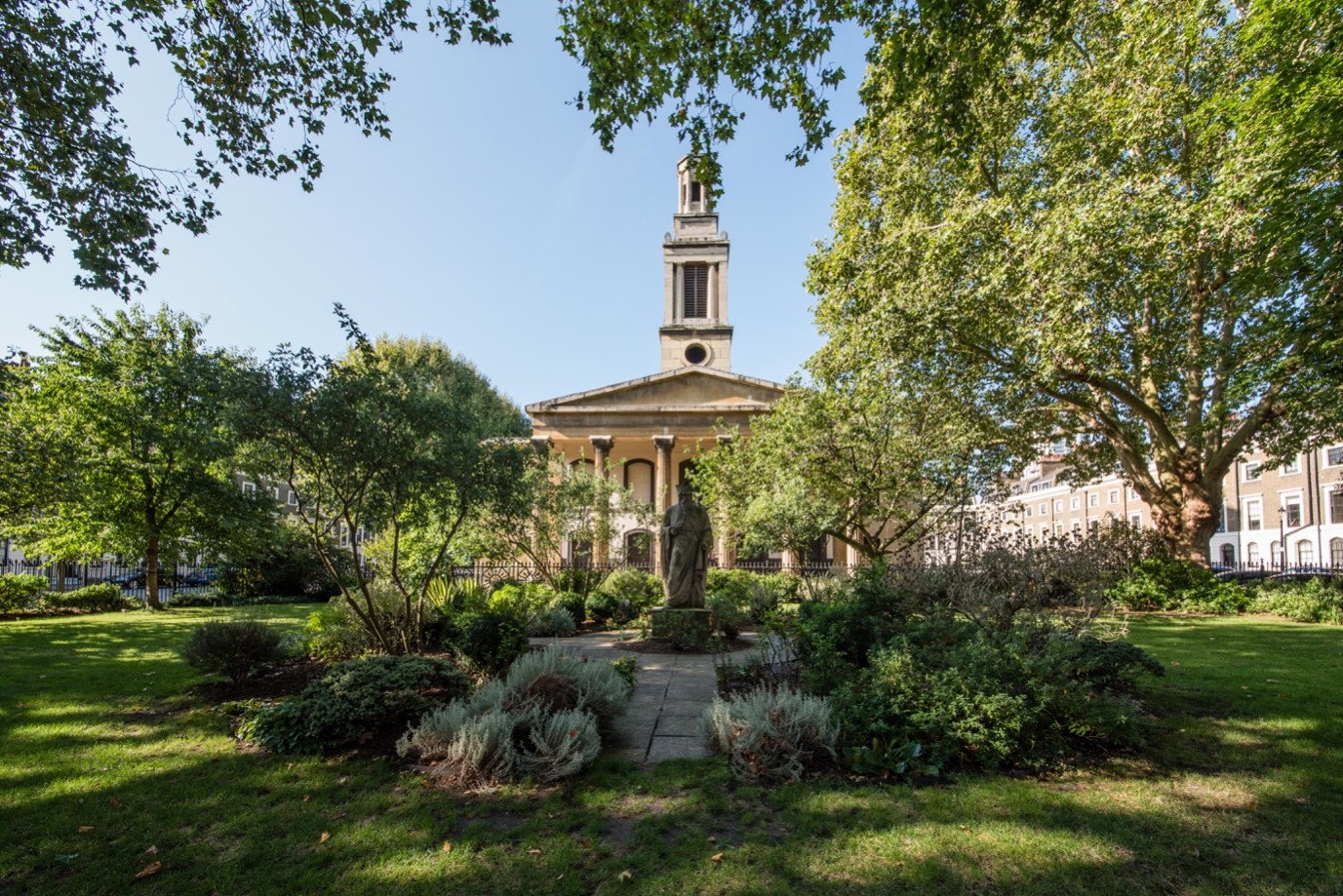
Every September, we see the arrival of the nationwide celebration of history and culture, run entirely by volunteers and community groups. From 11th - 20th September, places that are usually closed or ticketed become open to everyone for free. Closer to home near Trinity Village, self-guided tours have also been developed, providing a chance to step into the hidden corners of England's past and discover something new about the place we call home.
Here are a few of our top picks of things going on in the local area:
Mark 30 years of The Golden Hinde with a special after dark event at Bankside. Doors will open for an evening of talks from people connected to the ship during the 1970s - 1990s. Covering everything from life aboard the ship to voyages they undertook before the ship settled permanently at St Mary Overie Dock, this is sure to be an interesting deep dive into the past.
Click here for more information.
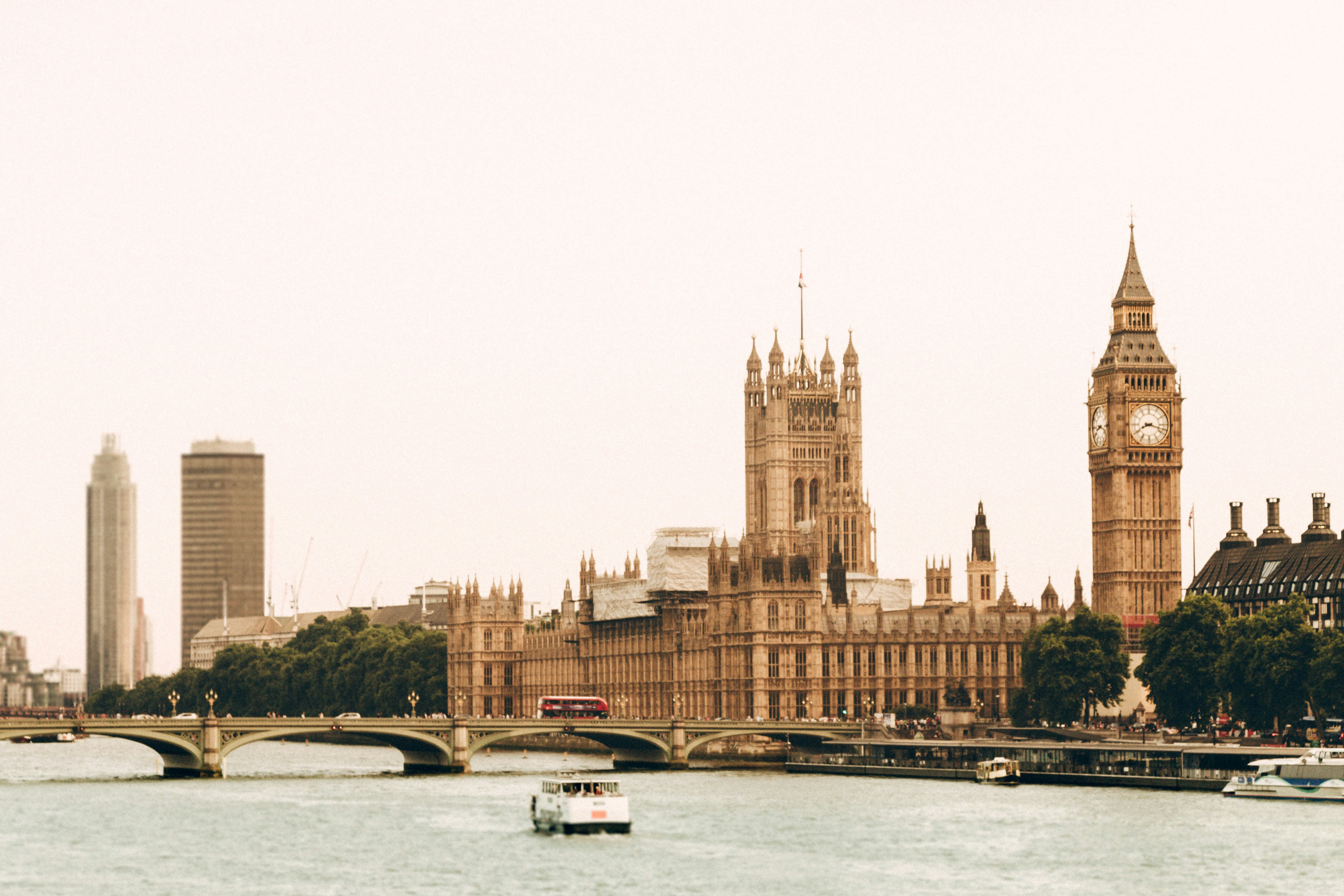
Starting at Westminster and finishing at London Bridge, this self-guided tour covers 9km through the heart of London. Explore familiar landmarks through compelling storytelling and immersive soundscapes as you pass by the likes of Big Ben and through into our local Borough Market. It's a chance to slow down and see the city through a renewed lens.
Click here for more information.
Bankside's landmarks may be a familiar sight, but do you know the stories and people behind them? This 30-minute audio tour walks you through six source-backed tales, from the house where Bert Hardy grew up, to the stage of Shakespeare's Globe.
Click here for more information.
Southwark Cathedral, although not on the official Heritage Open Day roster, is hosting a couple of displays worth having a look at if you're out and about in the local area. Urban sketches by artist Peta Bridle are being displayed until 14 October, with a 20-piece collection of original artwork created on the streets of London using pen and ink.
Bridle seeks out overlooked corners of the city such as old buildings and riverside views as the subject, tying into this month's heritage celebrations.
The cathedral also hosts a changing display of items curated by London's mudlarking community and artists, displaying a snapshot of the lives of people who have worked and lived along the river.
Click here for more information.
14/08/2026
International Lighthouse Heritage weekend is celebrated globally, providing a brilliant opportunity to raise awareness of maritime heritage, and take a deep dive into the historical importance of lighthouses. With the ever-modernising world, Trinity House's historical lighthouses have been subject to technological updating, whilst still serving the same vital purpose. From automating lighthouses so they can operate without a human keeper, to bringing them up to modern-day environmental standards, the changes implemented are no mean feat for those that carry out the work. In light of International Lighthouse Heritage Weekend, which lands on 15th and 16th August this year, we are spotlighting Trinity House's Skerries Lighthouse to see how it has evolved since it was built in 1717.
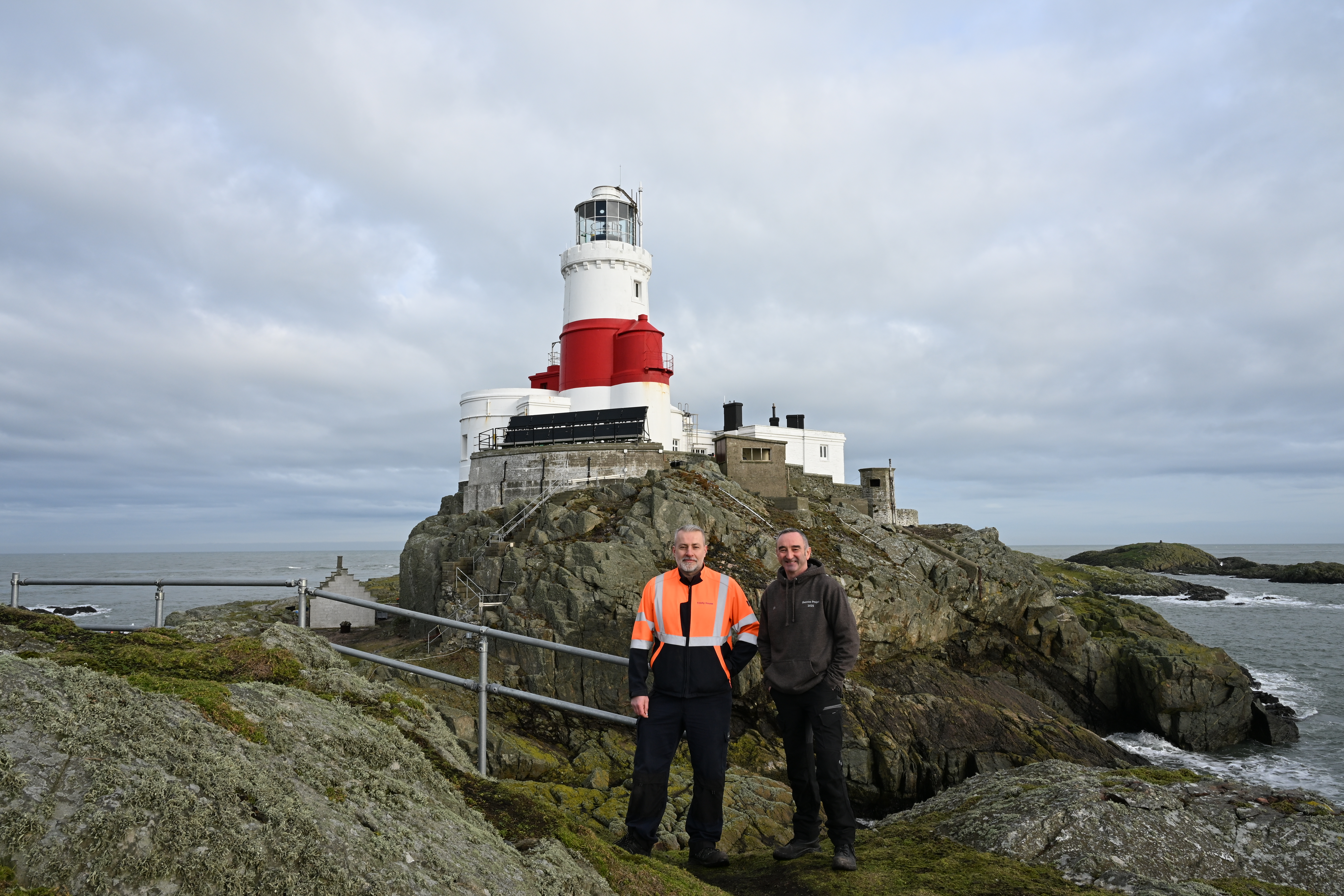
The Skerries are a collection of rocky islands located off the coast of the Isle of Anglesey on the north-west coast of Wales. Built by Trinity House, its initial purpose was to warn ships of the low-lying submerged land to the north-east of Holyhead. Skerries Lighthouse has a fascinating past. Henry Mascard saw a business opportunity to apply tolls to the site and proposed a light for the Skerries in 1658, but Trinity House contested the idea, as did a petition from the Irish Sea Traders in 1705. Queen Anne granted William Trench, who leased the land, a patent to build a light on the Isle in 1714. In exchange for Crown Rent of £5 a year, Trench could now apply tolls to passing ships (one penny) and cargo (two pence per ton). Unfortunately for Trench, this did not pan out how he envisaged and it did not provide the lucrative opportunity that he was hoping for. Payments were heavily evaded by mariners, causing Trench to fall into debt, dying in 1729. An Act of Parliament meant that Trench's family now privately owned the site. Trinity House began a prolonged attempt to gain ownership of the lighthouse in order to unprivatise it, finally purchasing it for £444,984 in 1841 from the then owner Morgan Jones, who resisted attempts for many years. This was the final privately owned lighthouse to be bought by Trinity House in Britain.
With such a remarkable historical past, Skerries Lighthouse has undergone many changes over the centuries. From light generated by burning coal to the use of an oil lamp in 1804, the lighthouse converted to electric power in 1927, and in 1987, it was fully automated. Now, the monitoring is handled remotely from Harwich in Essex, from Trinity House's Planning Centre.
Skerries Lighthouse recently underwent a major modernisation project, the main aim being energy efficiency. A mighty task for such a heritage structure in a remote spot. This involved a full overhaul of the electrical systems, along with rerouting power, installing new fire safety systems and even the installation of solar panels; an extremely delicate operation. Planning for this project commenced four years ago, demonstrating the complexity of the works. Engineers spent long stints away from their families during the project, with Lighthouse Maintenance Engineer Cameron stating that, "This will be my 15th week at this lighthouse in the last 18 months" and Lighthouse Maintenance Engineer Ian sharing that, "After this stint, I'll have spent 239 days at the lighthouse over the last 18 months". The work was vital, and very demanding. "We're away from family so much that the team become family", said the engineers, who work in rotating stints of up to three weeks, living on supplies brought over by boat from Amlwch Harbour. The engineers still use the very same tram cart tracks to haul equipment from the boat landing that lighthouse keepers once used to do the very same job. It's a fitting detail for a Heritage Weekend; the same track and task, but generations apart.
For Skerries Lighthouse, the overhaul of its infrastructure is now complete, yet the tracks once laid down by lighthouse keepers centuries ago still carry a sense of legacy; instead of moving coal however, they now shift solar panels.
08/06/2026
World Ocean Day is observed internationally on 8th June and it presents an opportunity to reflect not only on the oceans themselves, but the people whose livelihoods have long depended upon them.
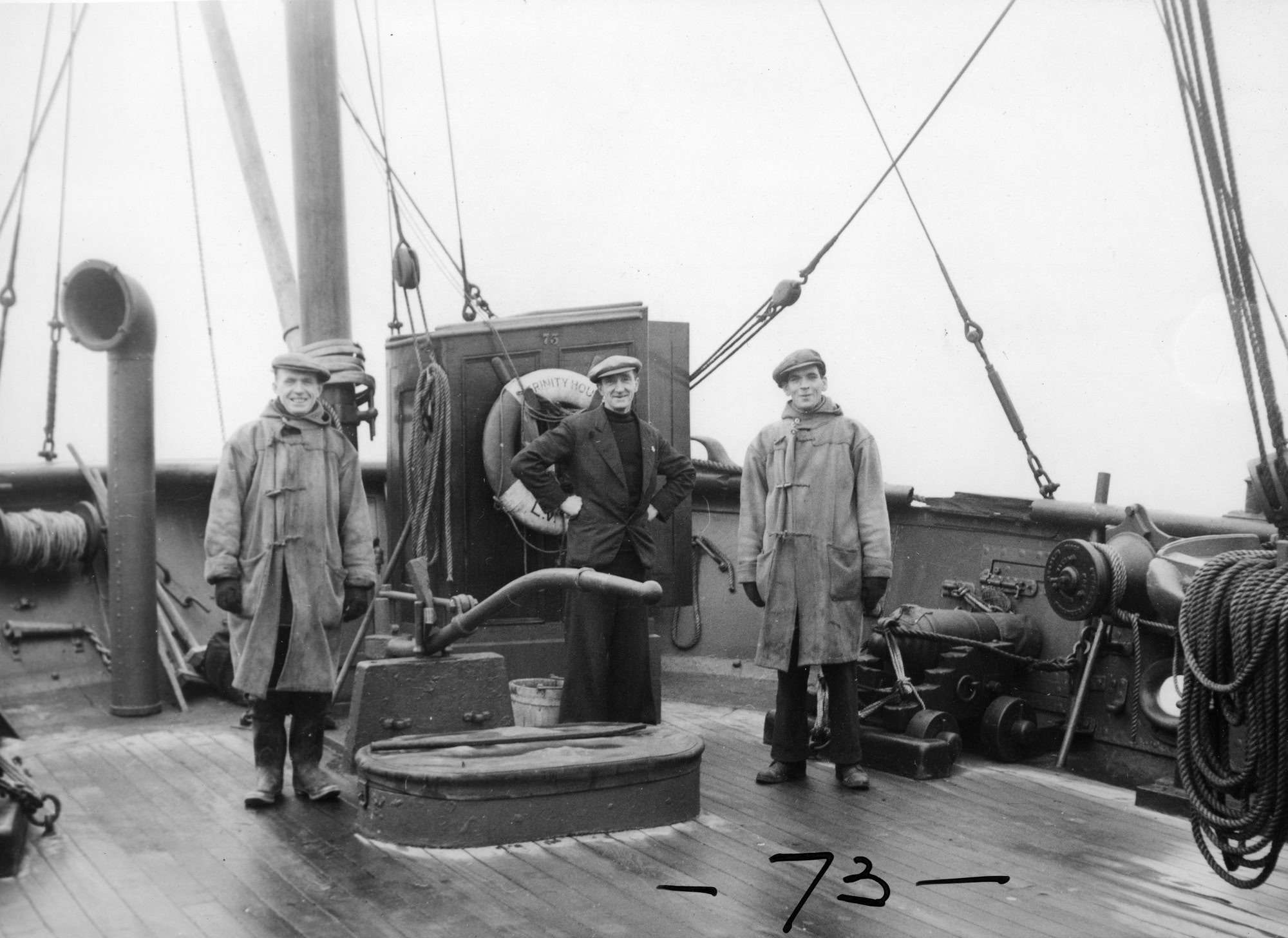
Well before modern navigation technology, lightvessels played a vital role in safeguarding mariners at sea. They acted as floating lighthouses and were positioned in stretches of water where it was impossible to build a permanent structure. Manned by Trinity House personnel in the waters around England, Wales and the Channel Islands, these vessels helped ships to pass safely through treacherous waters and weather conditions.
Archived accounts from the BBC Home Service's Children's Hour broadcast from 1942 offer a remarkable insight into a crew's daily life aboard a Trinity House lightvessel during the Second World War. Interviewed by broadcaster John Griffiths, we come to learn that crew members were far from mainland civilisation and exposed to rough weather conditions and waters. They would live and work together in these isolated conditions, maintaining what was described as an "unending vigil" at sea.
Despite the challenging job at hand, life on board the lightvessels was shaped by camaraderie and an unwavering resilience. When not on deck, crew members passed the time by engaging in hobbies such as darts and playing cards, reading and crafting small keepsakes, whilst eagerly awaiting post and supplies from home.
Among the more touching stories from the archive is the account of a young seal rescued and cared for by the crew aboard the vessel, becoming a temporary crew member. This offers a glimpse into the humanity that shaped life at sea for the crew. Team member Mr Palmer recounts about the seal:
"It was evidently very young and had, no doubt, lost its mother. The problem was how to feed it; we gave it Nestle's Milk! And somehow or other, it survived, and was with us a long time. We would open the gangway door and he flapped thro' and used to go for a swim around, and back he would come, and almost ask us to get him on board again. We lifted him on board in a hoop net, he would flap and flop around the deck, following us about. I don't know if it was the spring in the air, and he found a mate, but one day, he went for his usual dip and cleared off, we never saw him again."
Roles aboard these lightvessels were naturally very demanding, but they became essential and even more technical during wartime. Maintaining navigational safely around our coastline remained critical and the Trinity House lightvessel crews continued their duties throughout this unpredictable and uncertain era.
Today, Trinity House continues its longstanding work to support maritime safety around the coastline and, whilst modern technology has transformed lighthouses and navigation in general, these historical stories offer a fascinating reminder of the people who dedicated their lives to protecting others at sea. World Ocean Day allows us a moment of reflection on the remarkable maritime heritage of Trinity House.
19/05/2026
20th May marks the 512th anniversary of one of the oldest corporations to exist in England, a moment in time that sits at the heart of Trinity House's illustrious history.
A Royal Charter is an official document issued by a monarch that formally grants an organisation special status. Leading up to this, a group of mariners from Deptford petitioned for the right to regulate and license pilots in 1513 after increasingly crowded waters and dangerous pilotage from unqualified pilots began to endanger operations. One year later, on 20 May 1514, Henry VIII granted a Royal Charter establishing The Master, Wardens and Assistants of the Guild, Fraternity or Brotherhood of the most glorious and undivided Trinity and of St. Clement in the Parish of Deptford Strond, in the County of Kent. Fascinatingly, this remains the official name for Trinity House to this very day.
Trinity House's full name makes reference to the role of 'The Master' and this is an interesting thread to pull on. Sir Thomas Spert was the first to hold the role, appointed Master in 1514 after serving as captain of Henry VIII's flagship the Mary Rose. More recently, HRH Prince Philip, Duke of Edinburgh held the role for forty-two years (making him the Corporation's longest serving Master) before HRH The Princess Royal succeeded him in 2011, a position she continues to hold today.
What began as a petition from local mariners in Deptford grew into an institution woven deeply into Britain's maritime history. Across more than five centuries, Trinity House has overseen lighthouses and maritime safety around British waters, its name becoming synonymous with the protection of safe passage at sea.
For residents of Trinity Village, many of whom are tenants of the Corporation, the anniversary of the Royal Charter offers a timely opportunity to reflect on the remarkable legacy of Trinity House and the enduring history behind its name.
24/03/2026
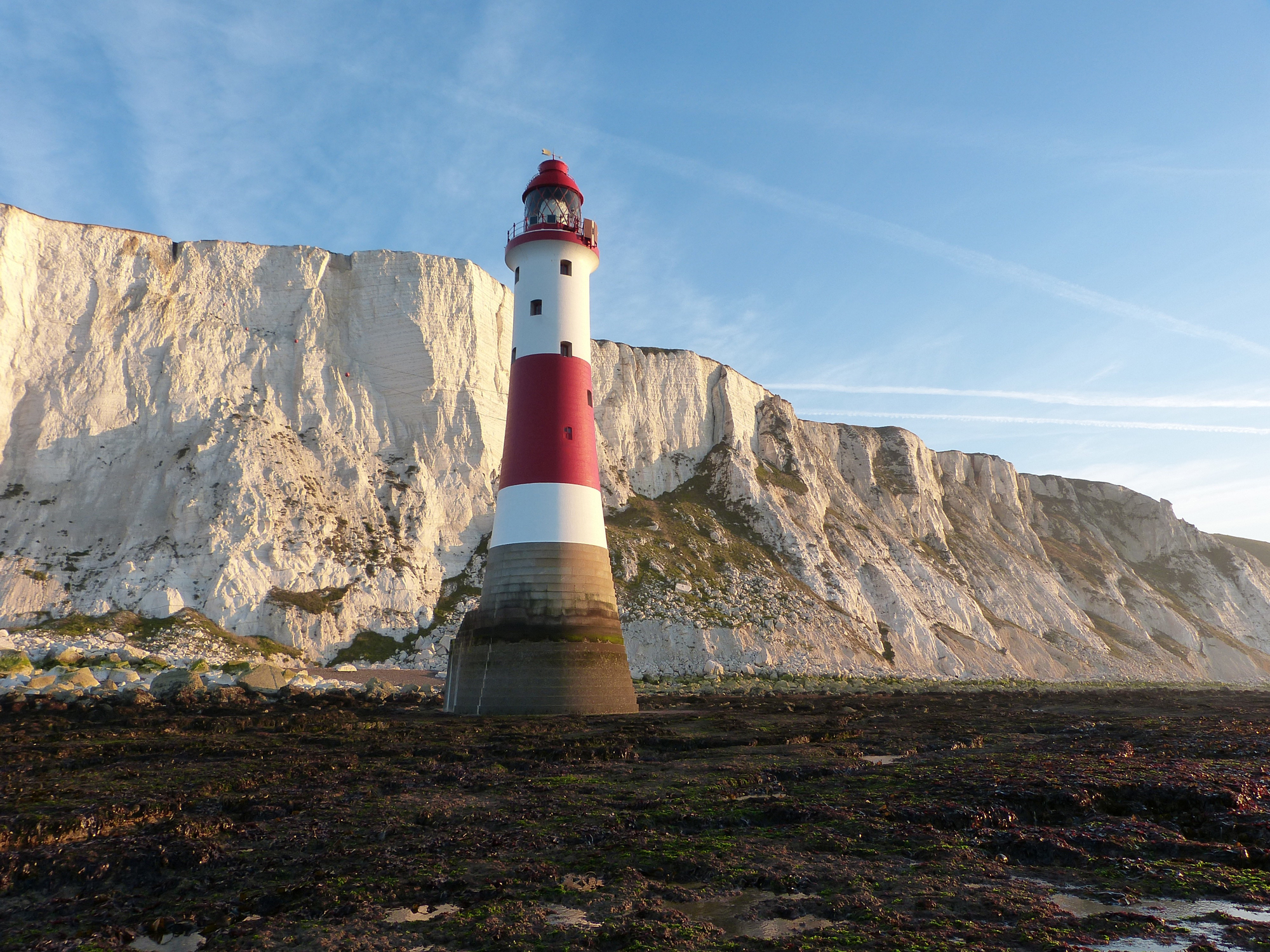
Ships carrying vital cargo to the UK arrive day in and day out, all year around, but did you know that, as the captains of these massive vessels approach our shores, they don’t always navigate our waters alone? That’s where pilotage comes into play.
So what is pilotage? This is the practice of guiding ships through difficult waterways, which usually come into play close to the coast or around ports with hazardous tides and narrow channels. This makes the process risky for approaching ships that are unfamiliar with the territory, so highly skilled local marine pilots spring into action. These individuals have a vast knowledge and understanding of their local waters; their job is to advise captains of incoming ships how to navigate the course, as well as advising on water depths, providing guidance about speed, and generally how to avoid any dangerous stretches. These pilots draw on years of specialised local knowledge and experience, something that a GPS can’t quite replicate.
The origin of pilotage in England came about in the early 1500s when the River Thames became increasingly busier and more dangerous. England’s vital commercial waterways were becoming more and more crowded and were being navigated by inexperienced and unqualified pilots, meaning they were struggling to navigate their ships safely. This issue was so concerning to local mariners that in 1513, they established a petition to King Henry VIII in the hope that he would resolve the issue. They highlighted the very real worry that lives and cargo were being threatened and that there was a wider issue for the safety of England’s naval fleets. As a result of their campaigning, in 1514, Henry VIII granted a Royal Charter, resulting in the conception of Trinity House with the aim of initially improving the quality of pilotage on the Thames. Trinity House’s role developed over the following decades, including being given exclusive rights to license pilots. The country now had official standards and regulations for pilots to keep its waters safe. By the mid 20th century, Trinity House licensed 600 pilots, and by this point, it had become the principal Pilotage Authority in the UK.
The role of a pilot was often very dangerous, involving boarding incoming vessels to share advice and relay important information often during dark and treacherous conditions. They also played an invaluable role during wartime, where a huge surge of vessels saw pilots handling thousands of vessels day and night, with little respite.
Today, Trinity House no longer runs local pilotage services into ports (this role is now handled by Competent Harbour Authorities) but instead focuses on licensing Deep Sea Pilots, whose expertise lies in longer voyages and navigating open sea waters, in particular for northern trading routes.
Even in an age of ongoing technological advancements, it is interesting to observe that in the world of pilotage, no automated system can replace a lived local experience. The ever-changing sea bed and tides still call upon human judgment and the art and profession of pilotage is still depended on today, just as much as in centuries gone by, to keep seas safe.
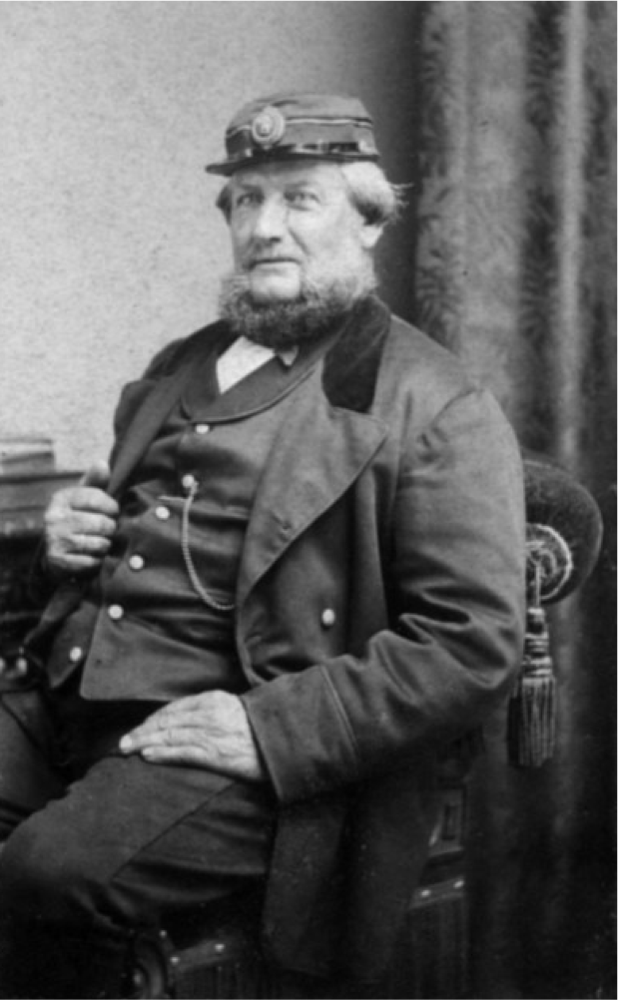
A pilot circa 1890
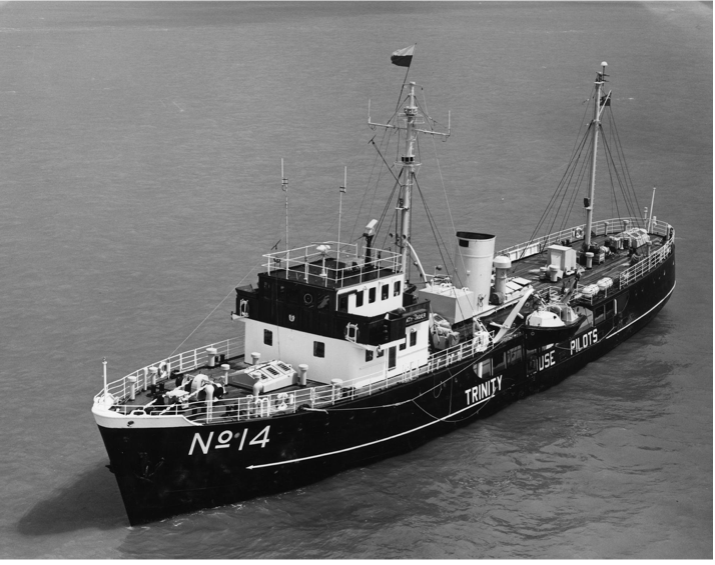
Trinity House pilot cutter, THPV Pathfinder
05/11/2025
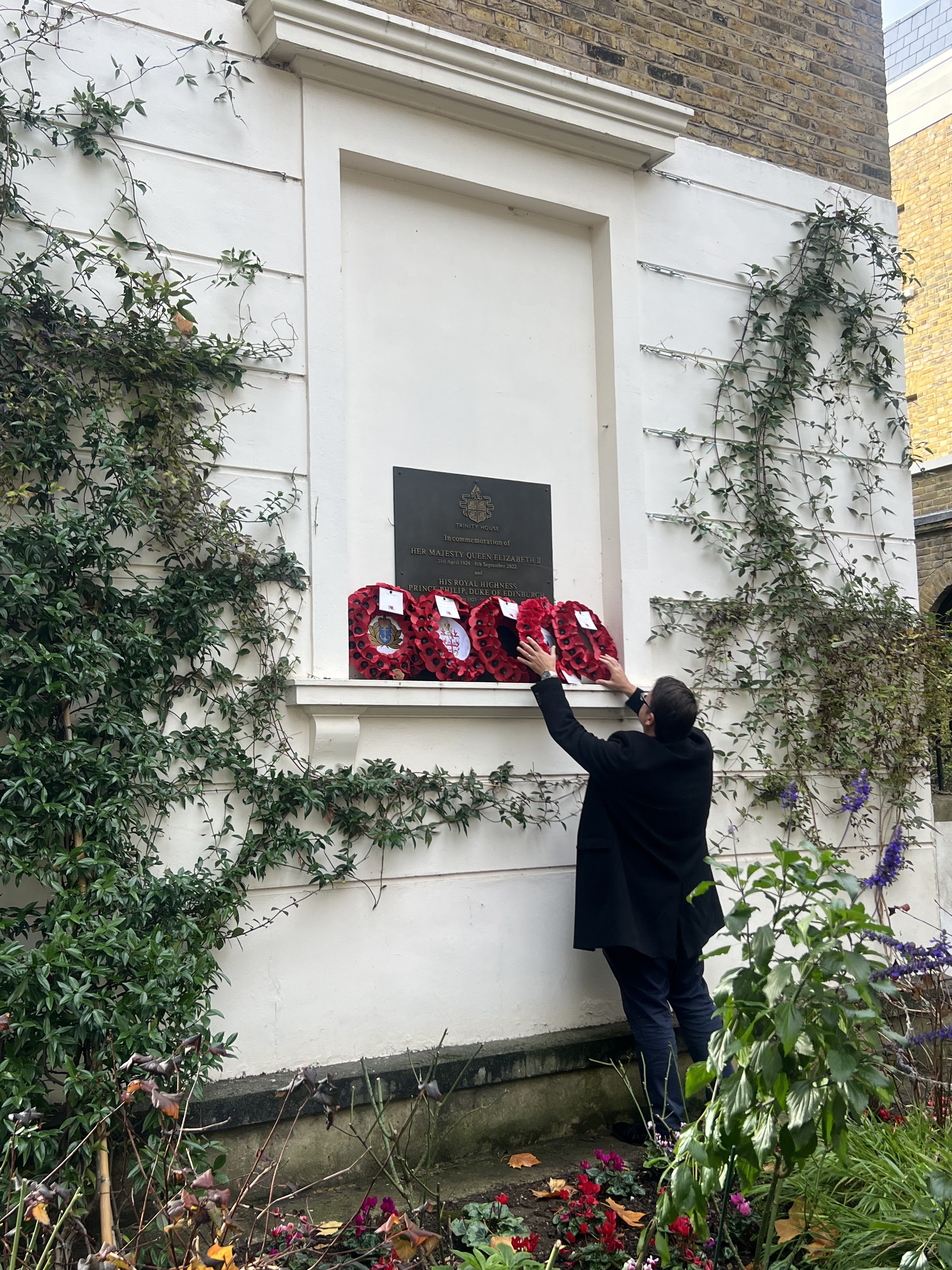
As the nation pauses to reflect this Remembrance Day, we look back on the extraordinary sacrifice made by those who served both at sea and on land during the First and Second World Wars. During this time, the Corporation of Trinity House also played a vital yet often unseen role in safeguarding Britain’s seas. Here we spotlight the brave and indispensable action taken by those silent heroes.
During the First World War, Trinity House’s Steam Vessel Service worked to help keep Britain’s coast and sea lanes safe. From the White Sea to the Persian Gulf, the Corporation's work stretched across vast distances to aid naval operations through the crucial work of marking shipping lanes with buoys and maintaining lightvessels.
The Second World War later loomed and the Corporation of Trinity House’s key involvement continued to support the nation at sea. Its teams ensured that the sea lanes remained clearly marked and illuminated for Allied convoys whilst responding swiftly to emergency calls. The Pilotage Service continued its essential work, guiding countless vessels back to safety under extraordinarily dangerous conditions. During the evacuation at Dunkirk, the Corporation’s pilots were amongst those who bravely steered ships to and from the beaches, whilst on D-Day itself, 73 lighted buoys were laid to mark their safe approach. Lightvessels JUNO and KANSAS were stationed just off the beaches and in the weeks that followed, Trinity House pilots handled almost 3,000 ships and almost 2,000 vessels, working to keep operations moving.
In addition to all of this, the Corporation’s headquarters in London fell victim to one of the gravest air attacks in the city on 29th December 1940, carried out by the Luftwaffe which dropped thousands of bombs. Much of the interior, archives and paintings were destroyed. Following the destruction, the building underwent restoration and was officially reopened by Queen Elizabeth II in October 1953.
In the years that followed, the Corporation grappled with the aftermath of the war, repairing lighthouses damaged in the conflict. It also worked to restore and modernise its services, and as part of an emerging movement towards automating lighthouse operations, it began to introduce electricity and telephone lines to many stations, which continued into the 1980s.
01/08/2025
We take great pride in looking after one of London's most attractive and distinctive residential Estates. Trinity Village sits within a designated conservation area - something that not only shapes the look and feel of our neighbourhood but also influences how we care for it day-to-day.
Designated a conservation area in 1968, Trinity Village remains a striking example of historic London and is recognised for its architectural and historic value. Many of the buildings here date back to the early 1800s and contribute to the Estate's quiet charm. The grand Georgian townhouses, mature trees and landscaped gardens of Trinity Church and Merrick Squares all add to the sense of magnetic history.
A number of properties within Trinity Village have been officially recognised with Grade II listed status over the years. Henry Wood Hall (the former church) received its listing in 1950. In 1972, several features were given this status, including the garden railings and houses around the squares, Alfred the Great's statue, the Trinity Street terraces and the former Surrey Dispensary. The Wallins building at 28 Cole Street was listed in 1996, followed by additions on Falmouth Road, 22 Trinity Street and the Trinity Arms in 1998.
For the Estate Management Team, managing properties in a conservation area means paying close attention to detail. We work to preserve the original features that give the Estate its character, whilst ensuring homes are well maintained and suitable for modern living. Every repair, improvement and planting plan is approached with care and consideration so we strike a good balance between preserving heritage with practicality.
We know that one of the things residents value most is the peaceful, village-like atmosphere, despite being only a stone's throw from the bustling City. The conservation area status provides added protection for the village, and guides how the Estate appears visually, but also reinforces a sense of place and continuity.
We feel proud of being part of a community with such a rich past and carefully-preserved surroundings. Thank you for helping us look after it.
12/02/2025
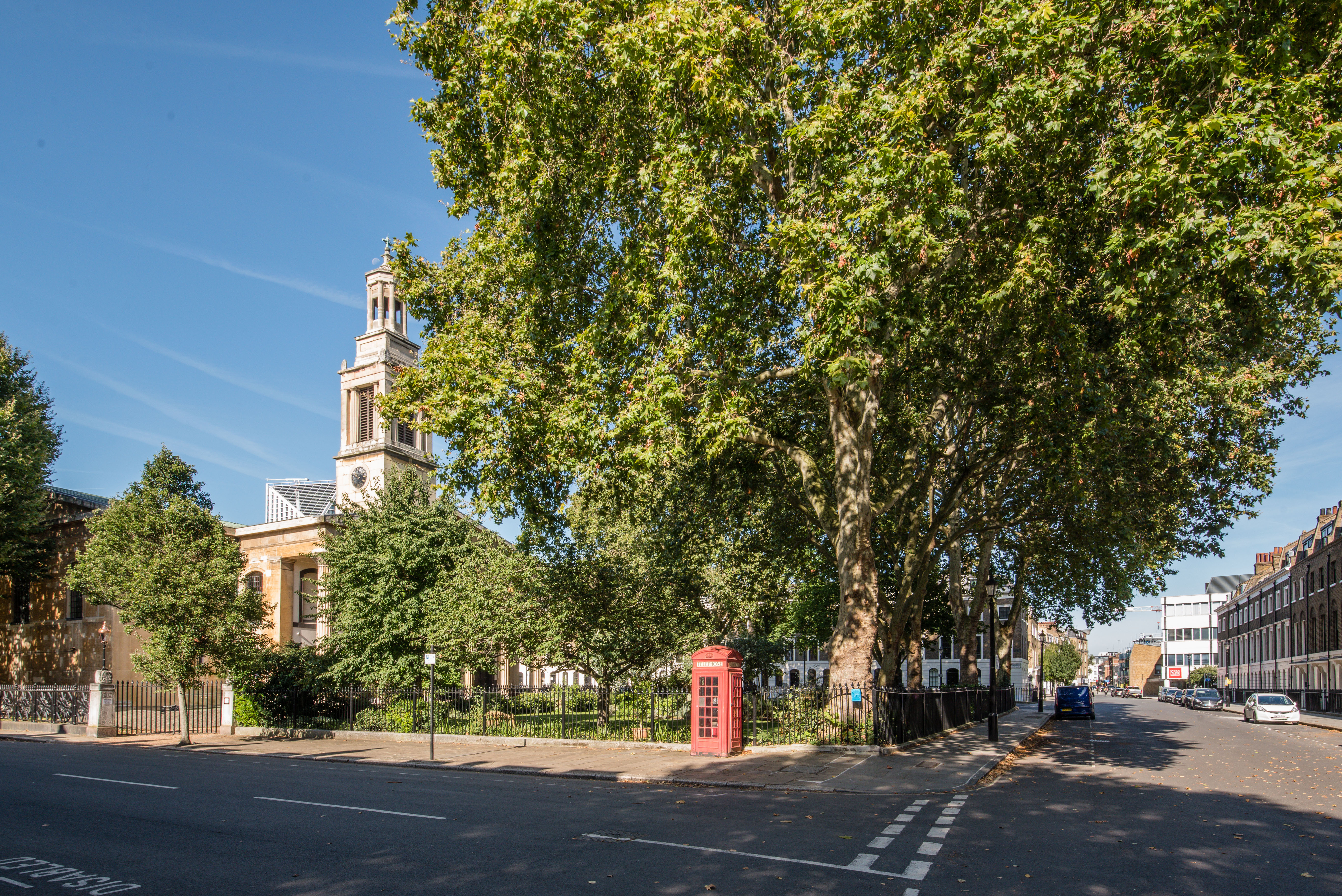
Henry Wood Hall is the capital’s first virtually purpose-built orchestral and recording venue, with the London Philharmonic being its principal orchestra, but did you know that the site was originally home to a church?
The site started as a ‘tenter’ ground to dry freshly woven cloth by merchants. The erection of the church was authorised in 1820 and trustees were appointed. Following a public competition, Francis Octavius Bedford was then commissioned to design the building, cladding the exterior in Bath stone and covering the roof in copper. Legend has it that the trustees faced a backlash after trying to favour one of their members, Mr Robins, as the competition winner. On 2nd June 1823, The Archbishop of Canterbury laid down the foundation stone, and the church was subsequently consecrated on 16th December 1824. A parliamentary grant aided the building fund, which totalled £16,295.
The church was later partially damaged during World War II, and in 1961, it was closed after being deemed unsafe for use. Later, the decision was made to convert it into an orchestral hall, but in 1973, the interiors were completely destroyed after a spectacular fire broke out overnight, after which the interiors were reconstructed and the building repurposed as the present-day Henry Wood Hall.
Fascinatingly, music hall comedian and singer Tom Costello released the song ‘At Trinity Church I met my doom’ in 1934, which is reputed to refer to this church.
01/07/2024
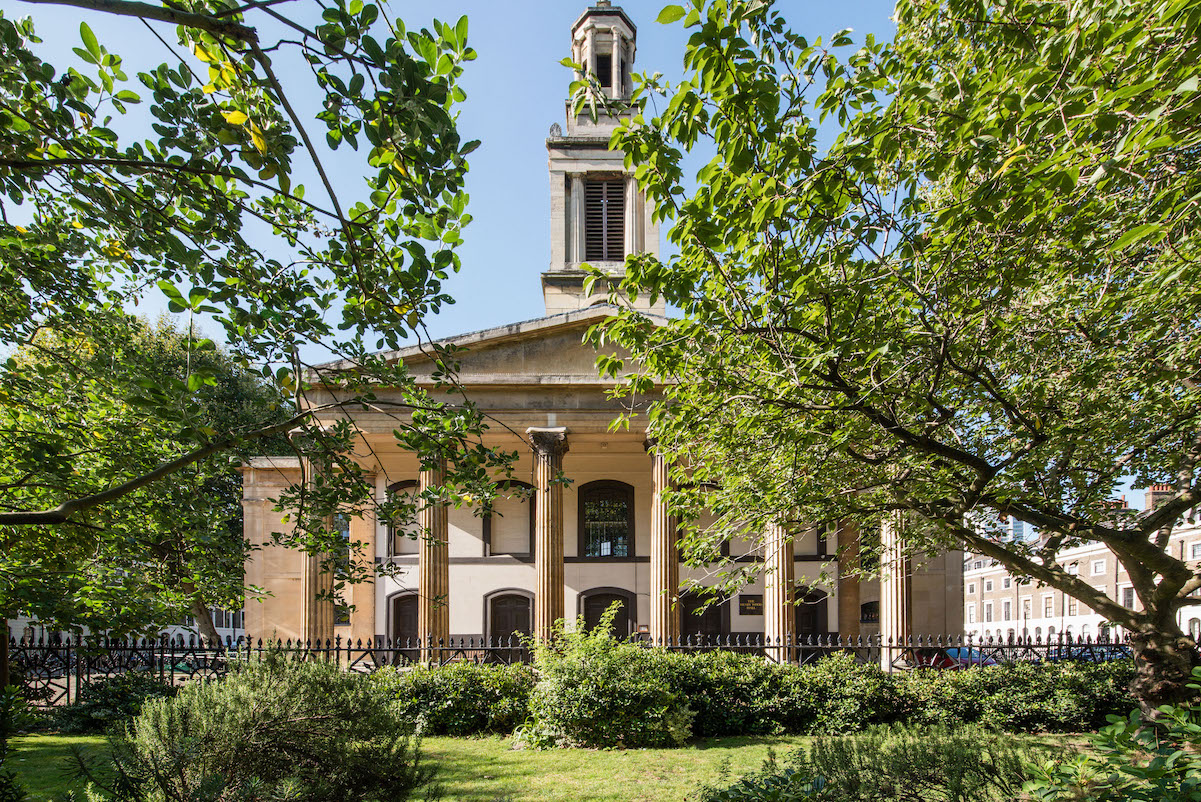
Trinity Village was founded in 1660 when Christopher Merrick gifted The Newington Estate to The Corporation of Trinity House. Originally home to taverns and farms, it blossomed into a residential area by the early 1800s.
Streets such as Trinity, Swan, and Cole saw the rise of elegant Georgian homes, marking the village's transformation.
Despite the industrial changes in the 1800s, it is no surprise that Trinity Village has maintained its appeal and gained conservation status in the 1960s. Today, its historic architecture and peaceful gardens tell stories of London's past.
From supporting seamen to fostering community, Trinity Village continues to uphold its charm whilst bridging history with modern life and preserving historical architecture and green spaces. Find out more about Trinity Village on the website: www.trinityvillage.co.uk
02/05/2024
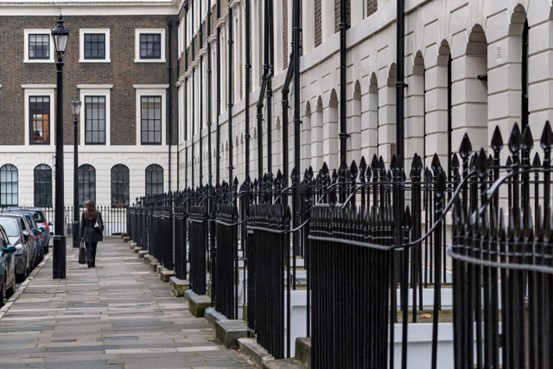
Henry Wood Hall, a former church turned orchestral rehearsal and recording studio in Trinity Church Square, boasts a rich history dating back to its construction in 1823–24. It was renamed in 1975 after the esteemed conductor Sir Henry Wood, an English conductor best known for his association with London's annual series of promenade concerts, informally known as the ‘Proms’. It subsequently became a beacon for musical excellence.
Hosting renowned orchestras like the St Petersburg Philharmonic and the Japan Philharmonic, Henry Wood Hall has cemented its status as a premier venue for recordings and rehearsals.
The Corporation of Trinity House will be hosting a ‘Meet & Greet’ event on the afternoon of 16 May with local residents and the Corporation's Deputy Master, highlighting the Hall’s continued status as an iconic location for the Corporation and residents of Trinity Village alike. Do come along for drinks and nibbles!